In the quiet embrace of rural landscapes, a transformative movement is unfolding—one where art becomes the catalyst for cultural revival, economic rejuvenation, and community cohesion. The Rural Art Project: Art Activates Local Value initiative exemplifies this shift, demonstrating how creativity can breathe new life into forgotten terrains and rekindle the intrinsic worth of the countryside.
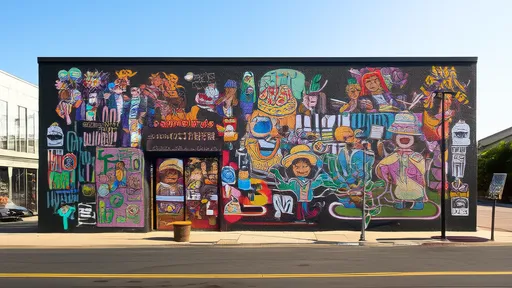
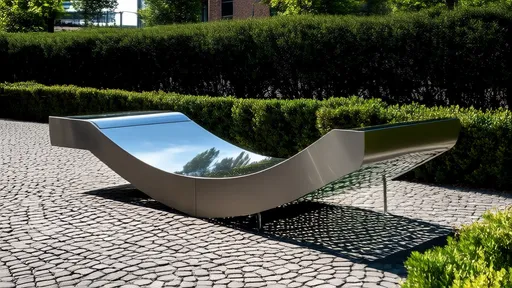
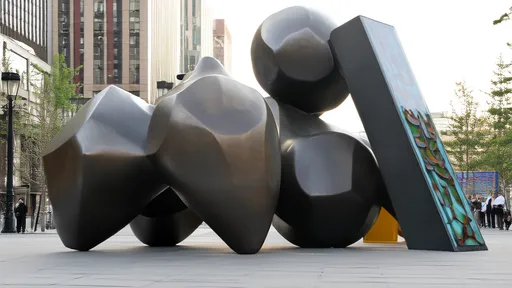
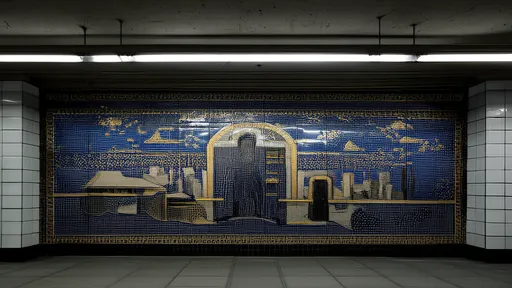
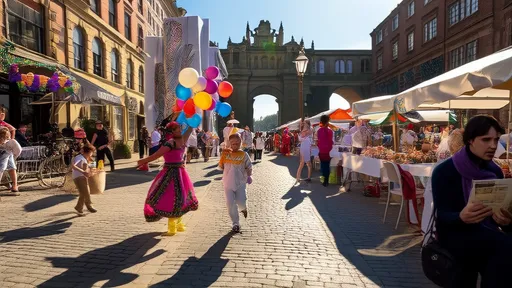
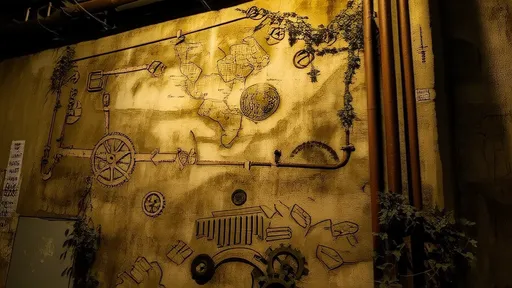
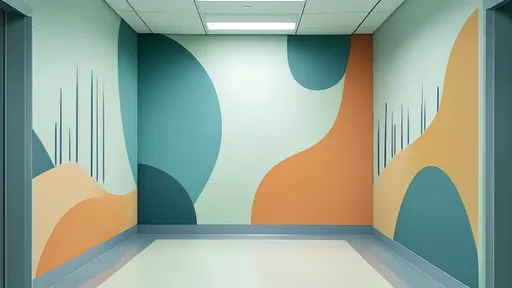
Across villages and small towns, artists and local residents are collaborating to turn abandoned spaces into vibrant canvases. Murals adorn weathered walls, sculptures rise from fields, and performances echo through ancient courtyards. These projects are not mere aesthetic additions; they are deeply interwoven with the social and economic fabric of the communities. By integrating art with local traditions, history, and environment, the initiative fosters a sense of pride and ownership among inhabitants, while also attracting visitors eager to experience authenticity beyond urban centers.
The economic impact is palpable. As art draws tourists, small businesses—from family-run inns to craft workshops—see renewed demand. This influx of interest often leads to job creation and sustains local heritage practices that might otherwise fade into obscurity. Moreover, the projects encourage sustainable tourism, emphasizing respect for nature and culture over exploitation. The result is a balanced development model where growth does not come at the expense of identity.
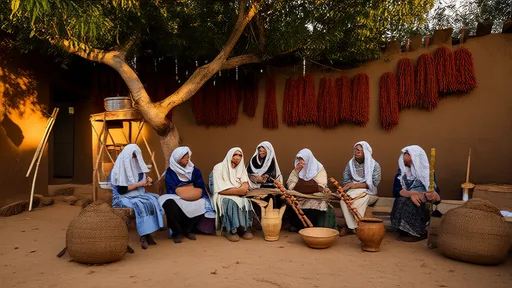
Socially, the art initiatives serve as a bridge between generations and cultures. Elderly community members share stories and skills with younger artists, ensuring that traditional knowledge is preserved and reinterpreted. Meanwhile, urban artists gain insights into rural life, fostering mutual understanding and reducing the cultural divide between city and countryside. These interactions cultivate a shared vision for the future, one where diversity is celebrated and collective well-being is prioritized.
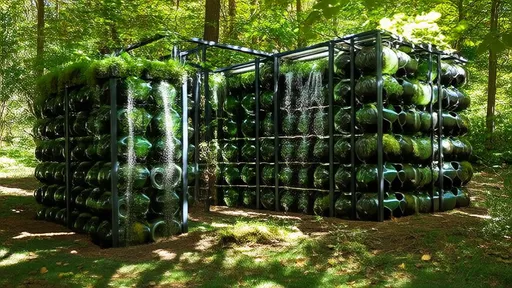
Environmental consciousness is another cornerstone of the movement. Many projects use recycled materials or draw inspiration from natural surroundings, highlighting the urgency of ecological stewardship. Installations might address issues like climate change or biodiversity loss, prompting both locals and visitors to reflect on their relationship with the earth. This artistic engagement with environmental themes reinforces the role of rural areas as guardians of natural resources.
Despite its successes, the initiative faces challenges. Funding remains a persistent concern, as many projects rely on grants or private donations rather than stable governmental support. There is also the risk of gentrification—if not managed carefully, rising interest could displace long-term residents or commercialize culture to the point of dilution. However, organizers are keenly aware of these pitfalls and strive to implement inclusive planning processes that prioritize community needs over external agendas.
The Rural Art Project is more than a cultural endeavor; it is a testament to the power of art as a tool for holistic development. By activating local value, it proves that rural areas are not relics of the past but dynamic spaces of innovation and resilience. As this movement gains momentum, it offers a hopeful blueprint for other regions seeking to harmonize progress with preservation, creativity with tradition, and global curiosity with local essence.
Looking ahead, the potential for expansion is vast. With digital platforms enabling wider awareness and virtual participation, even remote villages can share their stories with a global audience. Partnerships between international artists and local communities could further enrich these exchanges, fostering a cross-pollination of ideas that transcends geographical boundaries. The ultimate goal remains unchanged: to ensure that rural voices are heard, valued, and empowered through the universal language of art.
By /Aug 28, 2025

By /Aug 28, 2025
By /Aug 28, 2025
By /Aug 28, 2025
By /Aug 28, 2025
By /Aug 28, 2025
By /Aug 28, 2025
By /Aug 28, 2025
By /Aug 28, 2025
By /Aug 28, 2025
By /Aug 28, 2025
By /Aug 28, 2025
By /Aug 28, 2025
By /Aug 28, 2025
By /Aug 28, 2025
By /Aug 28, 2025
By /Aug 28, 2025

By /Aug 28, 2025
By /Aug 28, 2025
By /Aug 28, 2025
