In the evolving landscape of healthcare, the integration of art into medical environments has emerged as a significant element in patient care and recovery. The concept of healing environments is not new, but its application through deliberate artistic interventions, particularly through the use of color and imagery, is gaining renewed attention. Hospitals, traditionally seen as sterile and intimidating spaces, are increasingly embracing art to transform their atmospheres, aiming to reduce stress, alleviate pain, and promote overall well-being among patients, families, and staff. This shift recognizes that health is not merely the absence of disease but a state of physical, mental, and emotional harmony, which can be nurtured by the surroundings.
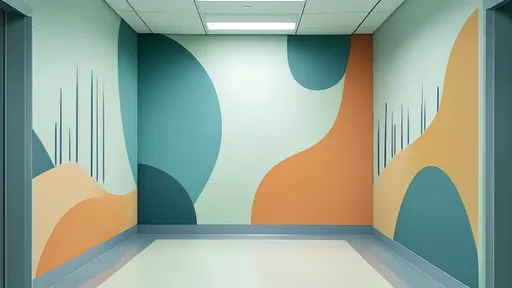
The psychological impact of color is profound and well-documented, making it a powerful tool in healthcare settings. Warm hues like soft yellows, oranges, and earthy tones are often employed in common areas and patient rooms to evoke feelings of comfort, warmth, and optimism. These colors can help counteract the clinical coldness of medical equipment and white walls, making spaces feel more inviting and less anxiety-inducing. For instance, studies have shown that exposure to warm colors can lower heart rates and reduce perceived pain levels in patients recovering from surgery. Conversely, cool colors such as blues and greens are utilized in areas requiring calm and concentration, like waiting rooms or intensive care units, where they promote relaxation and mental clarity. The strategic use of color gradients and palettes tailored to specific patient demographics—such as children or the elderly—further enhances this effect, creating environments that feel personalized and supportive.
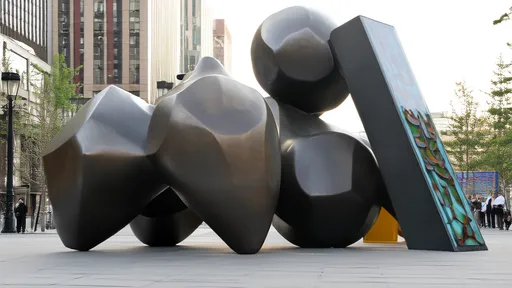
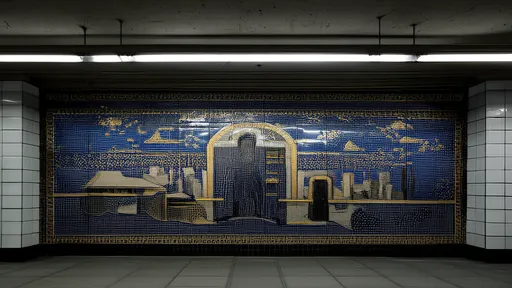
Beyond color, imagery plays an equally vital role in shaping the therapeutic experience. Artworks featuring natural scenes, such as landscapes, seascapes, or botanical illustrations, have been found to have a particularly soothing effect. These images can provide a mental escape for patients confined to their beds, reducing feelings of isolation and boredom. In pediatric wards, vibrant and playful murals depicting animals or fantasy elements help distract young patients from their fears, making medical procedures feel less daunting. For adults, abstract art or culturally resonant pieces can stimulate positive emotions and foster a sense of connection. The placement of art is also critical; large-scale installations in lobbies or hallways can create welcoming first impressions, while smaller, intimate pieces in patient rooms offer personal solace. Moreover, interactive art, such as digital displays that respond to movement, engages patients actively, encouraging mobility and mental engagement during recovery.
The benefits of art interventions extend beyond patients to include healthcare providers and visitors. Staff working in environments enriched with art report lower levels of burnout and higher job satisfaction, as these spaces reduce the daily stress associated with medical care. For families and visitors, art provides a respite from the often overwhelming hospital experience, offering moments of reflection and comfort. This holistic approach underscores the idea that healing is a collective process, influenced by the well-being of everyone in the environment. Hospitals that have implemented art programs, such as those partnering with local artists or incorporating community-created works, often note improved patient satisfaction scores and even reduced lengths of stay, suggesting a tangible return on investment in human terms.
Implementing effective art interventions requires careful planning and collaboration among healthcare administrators, artists, and medical professionals. It is not merely about decoration but about creating a cohesive narrative that aligns with the hospital's mission and the needs of its community. Factors such as lighting, spatial layout, and cultural considerations must be taken into account to ensure that the art is accessible and meaningful. For example, in multicultural settings, art should reflect diversity and avoid imagery that might be misinterpreted or cause discomfort. Additionally, maintaining and updating art installations is essential to keep the environment fresh and engaging over time. Many institutions now employ art curators or committees to oversee these initiatives, ensuring that the selections are evidence-based and responsive to feedback from patients and staff.
Looking ahead, the role of art in healthcare is poised to grow, driven by increasing evidence of its positive impacts and a broader shift toward patient-centered care. Innovations such as virtual reality art experiences or biophilic design elements that integrate natural materials alongside imagery are expanding the possibilities for healing environments. As research continues to validate the connections between art, color, and health outcomes, hospitals worldwide are likely to prioritize these interventions not as luxuries but as essential components of modern medical care. Ultimately, the integration of art into hospitals represents a compassionate acknowledgment that healing involves the whole person—mind, body, and spirit—and that our surroundings can be a powerful ally in that journey.

By /Aug 28, 2025
By /Aug 28, 2025

By /Aug 28, 2025

By /Aug 28, 2025

By /Aug 28, 2025

By /Aug 28, 2025

By /Aug 28, 2025
By /Aug 28, 2025

By /Aug 28, 2025

By /Aug 28, 2025

By /Aug 28, 2025
By /Aug 28, 2025
By /Aug 28, 2025

By /Aug 28, 2025
By /Aug 28, 2025

By /Aug 28, 2025
By /Aug 28, 2025

By /Aug 28, 2025
By /Aug 28, 2025

By /Aug 28, 2025
