In the hushed darkness before the curtain rises, the first character to step onto the stage communicates before uttering a single word. Their silhouette, the whisper of fabric, the play of light upon a sleeve—these are the silent prologue to the performance. This is the profound language of theatrical costume design, a discipline where fabric selection becomes the primary vocabulary for articulating character essence, history, and destiny. The choice of material is never arbitrary; it is a deliberate, nuanced decision that weaves a complex metaphor of personality directly onto the actor's form, creating a tangible, visual psychology for the audience to read.
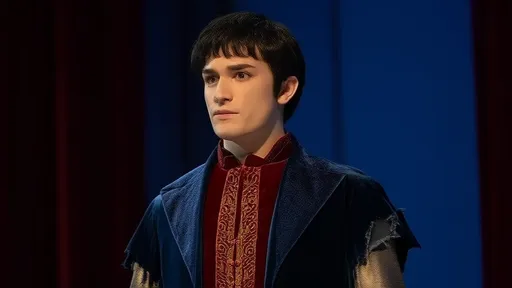
The very texture of a costume speaks volumes. Consider the stark dichotomy between crisp, starched linen and soft, worn-in velvet. A character draped in rigid, structured brocade or heavy tweed immediately projects an aura of formality, authority, or perhaps emotional inflexibility. The fabric itself seems to resist movement, mirroring a personality that is guarded, traditional, or constrained by societal or personal dogma. One can almost hear the authoritative rustle of a queen's heavy satin gown or the imposing weight of a general's woolen uniform. These textiles act as a shell, an armor that defines the character's public facade and often their internal rigidity.
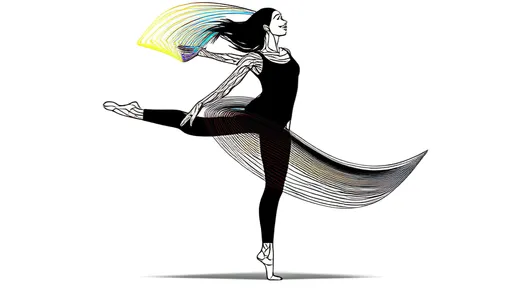
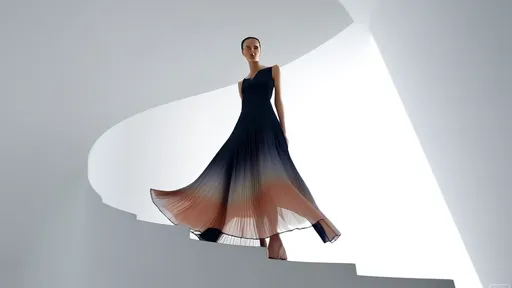
Conversely, the use of flowing, supple materials like silk, chiffon, or soft cotton jersey tells a different story. These fabrics embrace movement, cascading and swirling with the actor's gestures. They suggest a character who is fluid, adaptable, sensual, or free-spirited. A diaphanous chiffon gown might hint at ethereality, fragility, or a dreamlike quality, allowing glimpses of what lies beneath. The soft drape of a linen shirt on a protagonist can signal an approachable, humble, or earthy nature. The costume moves *with* the character, revealing their inner rhythm and emotional accessibility rather than concealing it.
Beyond texture, the weight and density of a fabric contribute significantly to the metaphorical load a character carries. Heavy materials—layered wool, thick leather, multi-layered crinoline and taffeta—can physically weigh the performer down. This is a powerful visual metaphor for burden. It might represent the immense weight of a crown, the psychological shackles of grief, the oppressive pressure of societal expectation, or the literal armor of a soldier bearing the horrors of war. Every step seems labored, every gesture requires effort, visually externalizing an internal struggle.
Lightness, achieved through feathers, lightweight silks, or organza, often signifies the opposite: freedom, whimsy, innocence, or otherworldliness. A character costumed in such materials might appear to barely touch the ground, their movements airy and unencumbered. This can create a poignant contrast within a narrative; think of the ethereal ghost clad in faint, shimmering layers amidst a cast dressed in the somber, heavy woolens of the mortal world. The fabric itself illustrates their separation from worldly concerns and physical laws.
The visual surface of the fabric, its finish and pattern, serves as a direct map to the character's psyche. Pristine, smooth, impeccably tailored garments often denote order, control, and a carefully maintained facade. A villain might be clad in slick, shiny vinyl or perfect, unrumpled silk, reflecting a cold, impenetrable, and narcissistic personality. Their perfection is unnerving, suggesting a lack of humanity or vulnerability.
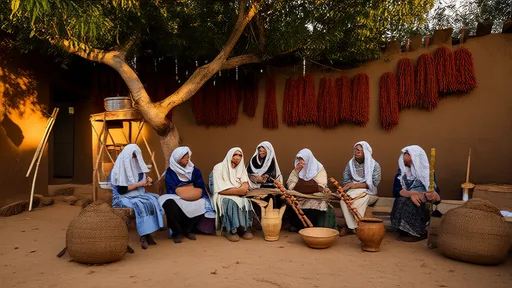
In stark contrast, distressed fabrics—torn, frayed, stained, or unevenly dyed—tell a history of hardship, turmoil, or rebellion. Rough homespun cloth can immediately establish a character's peasant status or their rejection of materialistic luxury. A faded military jacket, its patches frayed and colors dulled, narrates years of combat and survival far more eloquently than any line of dialogue. These "imperfections" are where the truth of the character often resides, revealing a life lived, scars earned, and a spirit tested.
Furthermore, the manipulation of fabric *on* the body completes the metaphor. Is the garment constricting? A corset laced too tight, a high starched collar, or a narrow skirt that inhibits stride can visually represent suppression, whether it be social, emotional, or psychological. The character is literally bound by their circumstances or their own neuroses. On the other hand, voluminous, oversized, or loosely hung garments might suggest a character who is lost within themselves, hiding their true form, or possessing a moral or spiritual generosity that transcends physical constraints.
The evolution of a character's journey is frequently mirrored in the gradual transformation of their costume's fabric. A protagonist might begin their arc in coarse, simple, monochromatic wool, reflecting a mundane or repressed existence. As they undergo trials and triumphs, their costume can evolve, incorporating richer textures, more vibrant colors, or a more flattering cut. Conversely, a tragic fall from grace might be illustrated through the soiling, tearing, or simplification of once-opulent attire. The fabric itself charts the narrative, its changing state a barometer for the character's internal shifts.
This intricate dance between cloth and character is the cornerstone of visual storytelling in theatre. It is a symbiotic relationship where the tangible informs the intangible. The costume designer, therefore, is not merely a decorator but a psychologist, a historian, and a poet working in thread and weave. They translate the abstract complexities of a written character into a physical, sensory reality that an audience can immediately feel and understand on a subconscious level.
Ultimately, the most powerful costume designs are those where the fabric and the performer become inseparable. The actor embodies the character, and the costume, through its material metaphor, embodies the soul of that character. It is a silent, yet deafeningly eloquent, language that resonates from the stage, long after the final bow and the fall of the curtain. It reminds us that what a character wears is never just clothing; it is the skin of their story, woven from the very threads of their being.

By /Aug 28, 2025

By /Aug 28, 2025
By /Aug 28, 2025

By /Aug 28, 2025
By /Aug 28, 2025
By /Aug 28, 2025
By /Aug 28, 2025
By /Aug 28, 2025

By /Aug 28, 2025
By /Aug 28, 2025
By /Aug 28, 2025

By /Aug 28, 2025

By /Aug 28, 2025
By /Aug 28, 2025

By /Aug 28, 2025
By /Aug 28, 2025

By /Aug 28, 2025

By /Aug 28, 2025

By /Aug 28, 2025
By /Aug 28, 2025
