Art and Psychology: The Emotional Impact of Color and Shape"

Aug 28, 2025 By

The interplay between art and psychology has long fascinated scholars and creators alike, particularly in how visual elements like color and shape evoke and influence human emotions. This intricate relationship forms the foundation of both artistic expression and psychological response, weaving a complex tapestry that speaks to the very core of human experience. Art is not merely a visual feast; it is a language of emotions, and psychology provides the lexicon to decode it.

Colors, with their vast spectrum and subtle variations, possess an almost primal power to affect mood and perception. From the fiery passion of red to the tranquil serenity of blue, each hue carries its own psychological weight. These associations are not arbitrary; they are deeply rooted in both cultural context and biological response. For instance, red often signals danger or excitement because it is associated with blood and fire, triggering an innate alertness. Conversely, blue, reminiscent of the sky and ocean, tends to calm the mind and reduce stress. Artists have leveraged these properties for centuries, using palettes to guide viewers' emotional journeys without a single word.

Moreover, the intensity and saturation of colors play a crucial role in their emotional impact. A bright, saturated yellow can evoke feelings of happiness and energy, while a muted, grayish yellow might convey sickness or decay. This nuance allows artists to create layered emotional experiences, manipulating shades to reflect complexity in human feelings. Psychological studies support this, showing that people consistently associate certain colors with specific emotions across different demographics, though cultural differences can alter these perceptions slightly.

Shapes, too, are potent conveyors of emotion, often working in tandem with color to deepen psychological effects. Geometric forms like circles, squares, and triangles each carry symbolic meanings that resonate on a subconscious level. Circles, with their lack of sharp edges, suggest unity, safety, and harmony. They are comforting and inclusive, often used in designs meant to evoke trust and community. Squares and rectangles, with their stability and order, imply reliability and strength, making them common in architectural and corporate visuals.

In contrast, angular shapes such as triangles and jagged lines tend to evoke tension, dynamism, or even aggression. A triangle pointing upward might symbolize aspiration or growth, while one inverted could indicate instability or risk. These responses are not just cultural; some psychologists argue they are evolutionary, rooted in how humans historically interacted with their environments. Sharp shapes, like thorns or claws, signaled danger, while smooth, rounded forms were safer and more approachable.

The combination of color and shape can amplify or contradict emotional messages, creating rich, multidimensional works. For example, a vibrant red circle might feel energetic yet welcoming, while a dark blue triangle could seem both calm and authoritative. This interplay is central to fields like branding and therapy, where visual elements are strategically used to influence behavior and emotional states. In art therapy, clients might be encouraged to use specific colors and shapes to express and process emotions, leveraging this psychological connection for healing.

Historical art movements provide compelling evidence of these principles in action. The fiery, swirling shapes and intense colors of Romanticism, for instance, were designed to evoke powerful emotions like awe and terror. In contrast, the clean lines and muted palettes of Minimalism sought to create calm and order, stripping away excess to focus on essential forms. Each movement reflects not only artistic trends but also broader psychological undercurrents of their times, showing how art both influences and is influenced by the human psyche.

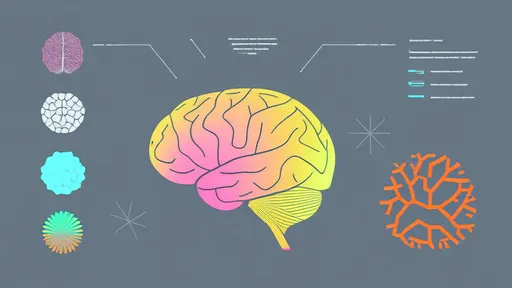
Modern research continues to explore this relationship, using tools like fMRI scans to observe brain activity in response to visual stimuli. Studies have shown that certain colors and shapes can activate regions of the brain associated with emotion processing, such as the amygdala. For example, exposure to red has been linked to increased heart rate and heightened attention, while curved shapes tend to activate areas related to positive feelings. These findings bridge art and science, offering empirical support for what artists have intuitively understood for millennia.

In everyday life, the psychology of color and shape is omnipresent, from the calming blue of social media logos to the urgent red of sale signs. Marketers and designers harness these elements to craft experiences that resonate on an emotional level, driving engagement and decision-making. Similarly, in therapeutic settings, color and shape are used to create environments that promote relaxation or stimulation, depending on the needs of individuals. This practical application underscores the profound real-world impact of this artistic-psychological synergy.

Ultimately, the dialogue between art and psychology enriches our understanding of both disciplines. It reveals how visual elements serve as conduits for emotional expression and influence, shaping perceptions in ways that are both universal and deeply personal. As research advances, this intersection will likely yield even deeper insights into the human condition, offering new tools for creativity, healing, and connection. The canvas of this exploration is broad, and its implications are as vibrant and varied as the colors and forms it studies.
Recommend Posts
Arts

Music Visualization: The Color Transformation Experiment of Sound Wave Vibrations

By /Aug 28, 2025

In the ever-evolving intersection of art and technology, a fascinating experiment has been capturing the attention of both audiophiles and visual artists alike. Titled "Music Visualization: An Experiment in Color Conversion of Sound Waves," this project delves into the transformative process of turning auditory vibrations into a stunning visual spectrum. The core premise revolves around the idea that sound, often experienced as an invisible force, can be given a tangible, colorful form, allowing for a multisensory engagement with music that transcends traditional listening experiences.
Arts

Art and Technology: Ethics and Aesthetics of AI-Generated Images

By /Aug 28, 2025

In the ever-evolving landscape of creative expression, the emergence of AI-generated imagery stands as one of the most provocative and transformative developments of our digital age. This fusion of algorithmic precision and artistic potential is not merely a new tool in the artist's kit; it is fundamentally reshaping the boundaries of what we consider art, who we consider an artist, and how we assign value to the act of creation itself. The conversation surrounding this technology has rapidly moved from technical curiosity to a deep, necessary discourse on ethics and aesthetics, forcing us to re-examine long-held beliefs about originality, authorship, and the very soul of human creativity.
Arts

Community-Engaged Art: Mural Projects Co-Created by Residents

By /Aug 28, 2025

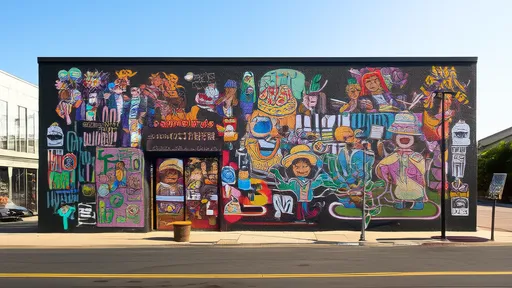
In the heart of urban landscapes across the globe, a quiet revolution is unfolding on the walls of our neighborhoods. Community participatory art, particularly in the form of co-created mural projects, has emerged as a powerful medium for social cohesion, cultural expression, and urban revitalization. These initiatives are far more than mere aesthetic enhancements; they represent a collaborative process where residents, artists, and local organizations come together to transform public spaces into canvases of shared identity and collective memory. The journey from a blank wall to a vibrant storytelling device involves dialogue, trust, and a shared vision, making the process as meaningful as the final artwork itself.
Arts

Public Park Installation Art: The Integration of Functionality and Aesthetics

By /Aug 28, 2025

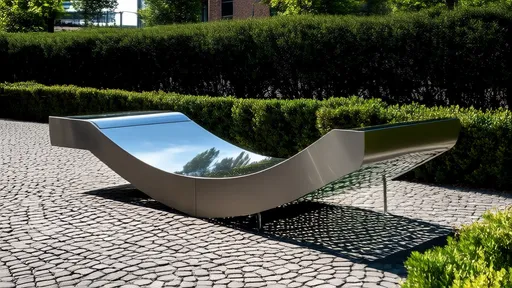
In the evolving landscape of urban design, the integration of functional and aesthetic elements within public spaces has become a central focus for architects, artists, and city planners alike. Among these developments, park installations stand out as a particularly compelling medium where artistry meets utility. These installations transform ordinary green spaces into dynamic environments that engage communities, foster interaction, and enhance the overall experience of public recreation.
Arts

Dance and Painting: Capturing the Lines of the Dynamic Body

By /Aug 28, 2025

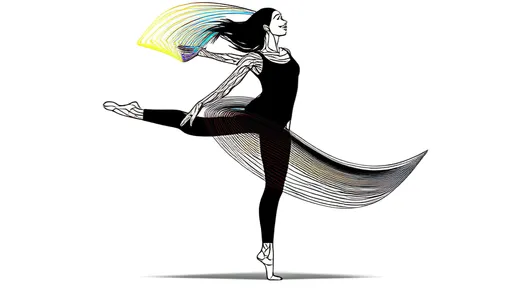
In the dimly lit studio, a dancer's body carves through space like a living brushstroke, while across the room, an artist's hand feverishly attempts to translate this ephemeral motion onto paper. This centuries-old dialogue between kinetic expression and static representation forms the core of our exploration into how the human body in motion becomes immortalized through line and form. The relationship between dance and drawing is not merely observational—it is a symbiotic conversation where one discipline breathes life into the other.
Arts

Rural Art Projects: Practices of Art Activating Rural Values

By /Aug 28, 2025

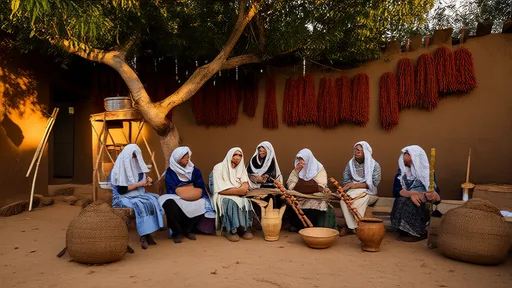
In the quiet embrace of rural landscapes, a transformative movement is unfolding—one where art becomes the catalyst for cultural revival, economic rejuvenation, and community cohesion. The Rural Art Project: Art Activates Local Value initiative exemplifies this shift, demonstrating how creativity can breathe new life into forgotten terrains and rekindle the intrinsic worth of the countryside.
Arts

Campus Ground Game Drawing: The Application of Color Psychology in Hopscotch"

By /Aug 28, 2025

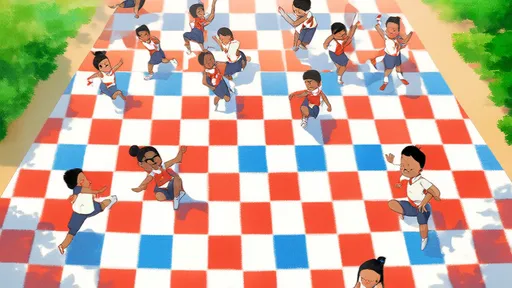
On schoolyards across the world, a quiet revolution in playground design is taking place, one hopscotch grid at a time. The traditional numbered squares chalked onto asphalt are being reimagined through the lens of color psychology, transforming simple ground games into nuanced tools for emotional and cognitive development. This movement, detailed in the recent study Ground Game Painting in Schools: The Application of Color Psychology in Hopscotch, explores how intentional color choices in these paintings do far more than beautify the playground—they actively influence children's moods, behaviors, and learning processes.
Arts

Maintenance and Preservation of Public Sculptures: Challenges of Outdoor Environments"

By /Aug 28, 2025

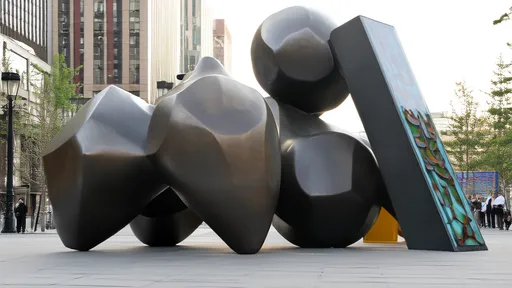
Public sculpture stands as a testament to our cultural heritage, artistic expression, and communal identity. These works, often monumental in scale and significance, face the relentless assault of outdoor environments. The preservation and maintenance of these pieces present a complex, multifaceted challenge that demands continuous attention, expertise, and resources. Unlike museum-held art, public sculptures are exposed to the elements, human interaction, and urban pollution, making their upkeep a specialized field that blends art conservation with environmental science and materials engineering.
Arts

Eco-Art Practice: Creation with Eco-Friendly Materials and Nature-Inspired Themes

By /Aug 28, 2025

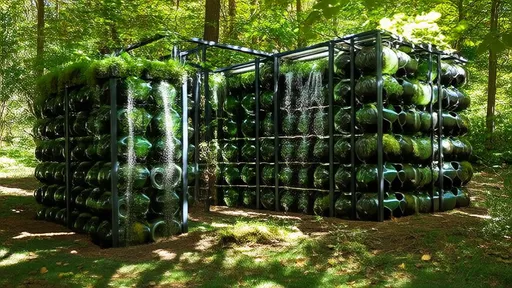
In recent years, the intersection of art and environmental consciousness has given rise to a compelling movement known as ecological art practice. This discipline merges creative expression with a profound commitment to sustainability, emphasizing the use of eco-friendly materials and themes drawn directly from the natural world. Artists engaged in this field are not merely creators; they are advocates, educators, and often activists, using their work to comment on pressing ecological issues and to propose alternative ways of interacting with our planet.
Arts

Literary Illustration Creation: The Narrative Transformation from Text to Image"

By /Aug 28, 2025

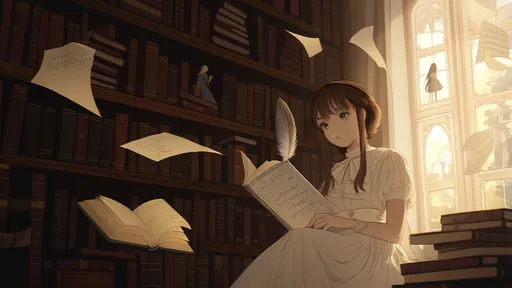
In the intricate dance between literature and visual art, the creation of literary illustrations stands as a profound act of translation—a metamorphosis of narrative from the abstract realm of words into the tangible world of images. This process, far from being a mere decorative afterthought, is a deeply interpretive and creative endeavor that requires not only technical skill but also a nuanced understanding of the source text. The illustrator must become a close reader, a critic, and a co-storyteller, navigating the delicate balance between faithfulness to the author's vision and the injection of their own artistic voice. It is a journey into the subtext, the moods, and the unwritten spaces of a story, demanding a sensitivity to rhythm, tone, and the unsaid.
Arts

Fashion and Art Intersect: Clothing as a Moving Canvas

By /Aug 28, 2025

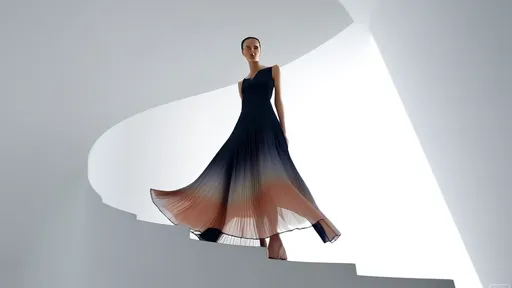
In the ever-evolving landscape of creative expression, the intersection of fashion and art has emerged as a dynamic frontier where boundaries blur and innovation thrives. No longer confined to the static walls of galleries or the fleeting runways of fashion weeks, this fusion has given rise to garments that transcend mere functionality, transforming into what can only be described as mobile canvases. This phenomenon is not merely a trend but a profound cultural shift, reflecting a deeper dialogue between two disciplines that have historically influenced and inspired one another.
Arts

Subway Station Ceramic Murals: Fragmented Narratives of Urban Memory

By /Aug 28, 2025

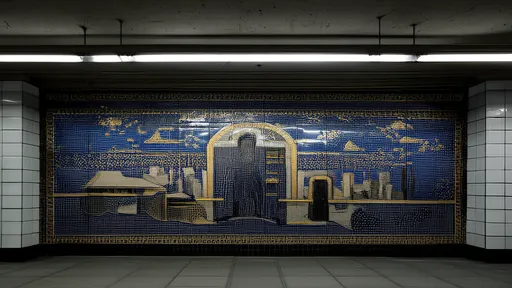
In the relentless rhythm of urban transit, where commuters are often absorbed in the immediacy of their journeys, an unexpected form of storytelling quietly persists. Across the globe, ceramic murals embedded within subway stations are doing more than merely adorning cold, utilitarian spaces; they are serving as fragmented, yet profound, narrators of city memory. These artworks, often overlooked in the daily rush, compile a mosaic of historical, cultural, and social fragments, offering a unique lens through which to view the soul of a metropolis.
Arts

Art of Architectural Models: Conceptual Expression in Miniature Spaces"

By /Aug 28, 2025

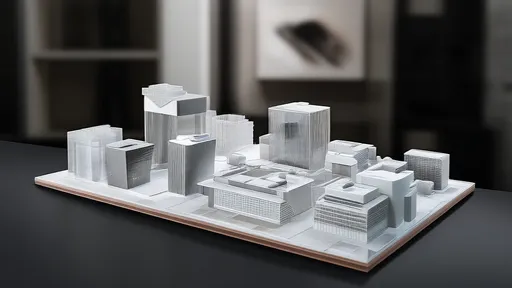
In the hushed galleries where scale becomes an illusion and detail commands reverence, architectural model making transcends its traditional role as a mere representation of a future structure. It has blossomed into a profound artistic discipline, a medium where concepts are not just shown but felt, where space is not just measured but experienced. This is the world of architectural model art—a realm where miniature worlds breathe life into big ideas.
Arts

Costume Design in Theatre: Fabric as Metaphor for Character Personality

By /Aug 28, 2025

In the hushed darkness before the curtain rises, the first character to step onto the stage communicates before uttering a single word. Their silhouette, the whisper of fabric, the play of light upon a sleeve—these are the silent prologue to the performance. This is the profound language of theatrical costume design, a discipline where fabric selection becomes the primary vocabulary for articulating character essence, history, and destiny. The choice of material is never arbitrary; it is a deliberate, nuanced decision that weaves a complex metaphor of personality directly onto the actor's form, creating a tangible, visual psychology for the audience to read.
Arts

Art Festivals and Urban Revitalization: Economic and Social Impacts of Cultural Events

By /Aug 28, 2025

In cities across the globe, the interplay between cultural events and urban revitalization has become a focal point for policymakers, economists, and community advocates alike. The concept of using art festivals as catalysts for renewal is not merely a trend but a strategic approach to breathing new life into struggling urban areas. These events, often sprawling and multifaceted, do more than entertain; they stimulate local economies, foster social cohesion, and reshape the identity of the places they inhabit. The economic and social ramifications of such cultural undertakings are profound, weaving a complex tapestry of benefits that extend far beyond the duration of the festivals themselves.
Arts

Creative Restoration of Historical Murals on Old Building Walls"

By /Aug 28, 2025

In the heart of many cities, old buildings stand as silent witnesses to bygone eras, their walls adorned with fading paintings that tell stories of cultural heritage and artistic expression. The restoration of these historical wall paintings is not merely an act of preservation but a creative endeavor that bridges the past and the present. This process involves a delicate balance between honoring original craftsmanship and introducing innovative techniques to ensure these treasures endure for future generations.
Arts

Art and Psychology: The Emotional Impact of Color and Shape"

By /Aug 28, 2025

The interplay between art and psychology has long fascinated scholars and creators alike, particularly in how visual elements like color and shape evoke and influence human emotions. This intricate relationship forms the foundation of both artistic expression and psychological response, weaving a complex tapestry that speaks to the very core of human experience. Art is not merely a visual feast; it is a language of emotions, and psychology provides the lexicon to decode it.
Arts

The Art of Food Plating: Visual Composition in Cooking

By /Aug 28, 2025

In the world of culinary arts, the visual presentation of a dish is as crucial as its flavor profile. The art of food plating, often referred to as culinary composition, transforms a meal into an experience that engages all the senses. It is not merely about arranging food on a plate; it is a deliberate and thoughtful process that reflects the chef's creativity, cultural influences, and technical prowess. From high-end restaurants to home kitchens, the principles of plating have evolved into a sophisticated discipline that merges aesthetics with gastronomy.
Arts

Art Intervention in Hospitals: The Impact of Colors and Images on Healing Environments"

By /Aug 28, 2025

In the evolving landscape of healthcare, the integration of art into medical environments has emerged as a significant element in patient care and recovery. The concept of healing environments is not new, but its application through deliberate artistic interventions, particularly through the use of color and imagery, is gaining renewed attention. Hospitals, traditionally seen as sterile and intimidating spaces, are increasingly embracing art to transform their atmospheres, aiming to reduce stress, alleviate pain, and promote overall well-being among patients, families, and staff. This shift recognizes that health is not merely the absence of disease but a state of physical, mental, and emotional harmony, which can be nurtured by the surroundings.
Arts

Art-Guided Urban Signage System: Upgrading Function and Aesthetics"

By /Aug 28, 2025

In the evolving landscape of urban development, cities worldwide are increasingly recognizing the transformative power of art-driven wayfinding systems. Moving beyond mere functionality, these systems merge practicality with aesthetic innovation, redefining how residents and visitors interact with urban spaces. The integration of artistic elements into signage not only enhances navigational efficiency but also cultivates a unique sense of place, turning mundane journeys into immersive cultural experiences.