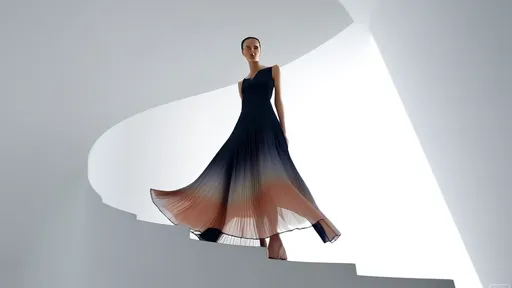
In the ever-evolving landscape of creative expression, the intersection of fashion and art has emerged as a dynamic frontier where boundaries blur and innovation thrives. No longer confined to the static walls of galleries or the fleeting runways of fashion weeks, this fusion has given rise to garments that transcend mere functionality, transforming into what can only be described as mobile canvases. This phenomenon is not merely a trend but a profound cultural shift, reflecting a deeper dialogue between two disciplines that have historically influenced and inspired one another.
The concept of clothing as a form of wearable art is not entirely new; throughout history, garments have served as symbols of status, identity, and cultural narrative. However, the contemporary iteration of this relationship is characterized by an unprecedented level of collaboration and experimentation. Designers are increasingly drawing from the techniques, philosophies, and visual languages of fine art, while artists are exploring fashion as a medium to reach broader audiences and engage with the human form in motion. This synergy has resulted in pieces that challenge conventional perceptions of both fashion and art, inviting viewers to reconsider where one ends and the other begins.
At the heart of this movement lies the idea of the garment as a narrative device. Just as a painting tells a story through brushstrokes and color, fashion designers are using fabric, texture, and silhouette to convey complex themes and emotions. For instance, the work of designers like Iris van Herpen exemplifies how technology and traditional craftsmanship can merge to create pieces that are both sculptural and wearable. Her designs, often inspired by natural phenomena and scientific concepts, are not just clothes but kinetic sculptures that come to life with the wearer's movement. Similarly, artists such as Yayoi Kusama have collaborated with fashion houses to translate their iconic visual styles into apparel, turning wearers into walking embodiments of artistic vision.
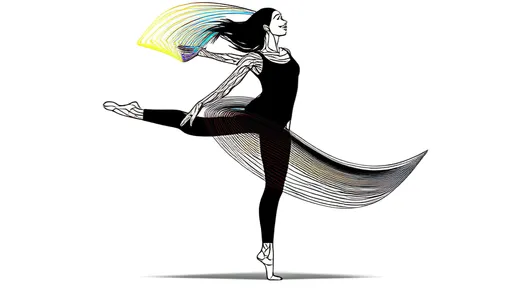
The role of the wearer in this dynamic cannot be overstated. Unlike a painting that remains static on a wall, a garment gains its full expression through the body it adorns. Each movement—a stride, a gesture, a turn—adds a new dimension to the piece, making the wearer an active participant in the artistic process. This interactivity transforms fashion into a performative art form, where the line between creator and audience becomes beautifully blurred. It is a collaborative dance between designer, garment, and wearer, each contributing to the unfolding narrative.
Moreover, the rise of digital media has further expanded the possibilities for fashion as art. Social media platforms like Instagram and TikTok have become virtual galleries where these mobile canvases are showcased to global audiences. A single garment can be photographed, filmed, and shared countless times, each capture offering a new perspective or context. This digital proliferation not only amplifies the reach of these creations but also democratizes access to art, allowing anyone with an internet connection to engage with and appreciate these works. In this sense, fashion becomes a accessible and pervasive form of artistic expression, breaking down the elitist barriers often associated with the art world.
Yet, for all its innovation and accessibility, the fusion of fashion and art is not without its critics. Some purists argue that commodifying art through wearable items dilutes its integrity, reducing profound artistic statements to consumer products. Others contend that fashion's inherent commercial nature conflicts with art's traditionally non-utilitarian ethos. However, proponents counter that this intersection enriches both fields, pushing artists to think beyond the canvas and encouraging designers to infuse their work with deeper meaning and conceptual rigor. The debate itself is a testament to the vitality and relevance of this cross-disciplinary exchange.
Looking ahead, the trajectory of fashion as mobile art seems poised for even greater exploration. Advances in sustainable materials and digital fabrication are opening new avenues for creation, allowing designers to experiment with forms and functions previously unimaginable. Virtual fashion, for example, is emerging as a frontier where garments exist solely in digital realms, worn by avatars or superimposed onto real bodies through augmented reality. These developments challenge our very definitions of clothing and art, suggesting a future where the physical and digital seamlessly merge.
In conclusion, the intersection of fashion and art represents a vibrant and evolving dialogue that celebrates creativity in its most fluid and dynamic form. By transforming clothing into mobile canvases, designers and artists are not only redefining the possibilities of wearable expression but also inviting us all to become part of the art itself. As this movement continues to unfold, it promises to inspire, provoke, and delight, reminding us that beauty and meaning can be found in the everyday act of getting dressed.
By /Aug 28, 2025

By /Aug 28, 2025
By /Aug 28, 2025

By /Aug 28, 2025
By /Aug 28, 2025
By /Aug 28, 2025
By /Aug 28, 2025
By /Aug 28, 2025

By /Aug 28, 2025

By /Aug 28, 2025
By /Aug 28, 2025
By /Aug 28, 2025
By /Aug 28, 2025
By /Aug 28, 2025
By /Aug 28, 2025
By /Aug 28, 2025

By /Aug 28, 2025

By /Aug 28, 2025
By /Aug 28, 2025
By /Aug 28, 2025
