In cities across the globe, the interplay between cultural events and urban revitalization has become a focal point for policymakers, economists, and community advocates alike. The concept of using art festivals as catalysts for renewal is not merely a trend but a strategic approach to breathing new life into struggling urban areas. These events, often sprawling and multifaceted, do more than entertain; they stimulate local economies, foster social cohesion, and reshape the identity of the places they inhabit. The economic and social ramifications of such cultural undertakings are profound, weaving a complex tapestry of benefits that extend far beyond the duration of the festivals themselves.
Economically, art festivals serve as powerful engines for growth. When a city hosts a major cultural event, it attracts visitors from near and far, each spending on accommodation, dining, transportation, and retail. This influx of tourism dollars can provide a significant boost to local businesses, many of which may be struggling in post-industrial or economically depressed areas. For instance, a well-attended festival can fill hotels, restaurants, and shops, generating revenue that might otherwise take months to accumulate. Moreover, the event itself creates temporary employment opportunities, from setup and security to hospitality and vendor services, offering a short-term but vital injection of jobs and income for residents.
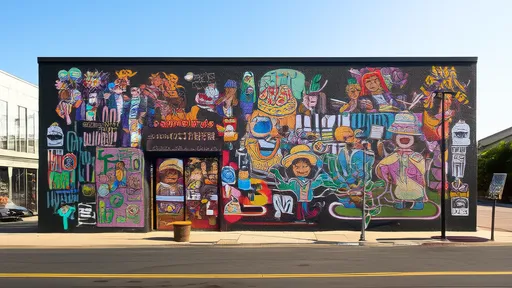
Beyond immediate financial gains, art festivals can also spur long-term investment in urban infrastructure. Cities often use these events as impetus to upgrade public spaces, improve transportation networks, and enhance overall aesthetics. Derelict buildings might be repurposed into galleries or performance spaces, parks are beautified, and streetscapes are revitalized to accommodate crowds and create a more inviting atmosphere. These improvements not only serve the festival but leave a lasting legacy that benefits residents long after the event concludes. The transformation of once-neglected areas into cultural hubs can attract further private investment, leading to a cycle of renewal that perpetuates economic stability and growth.
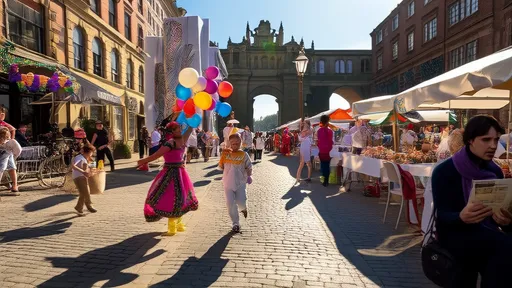
Socially, the impact of art festivals is equally significant. These events have a unique ability to bring together diverse segments of the population, breaking down social barriers and fostering a sense of community pride and identity. In many cases, festivals celebrate local heritage and talent, providing a platform for artists, musicians, and performers who might otherwise lack visibility. This not only enriches the cultural landscape but also instills a sense of ownership and participation among residents. When people see their culture reflected and celebrated on a grand scale, it strengthens communal bonds and enhances social cohesion.
Furthermore, art festivals can play a crucial role in promoting inclusivity and accessibility to the arts. By often being free or low-cost, they democratize culture, allowing people from all socioeconomic backgrounds to engage with high-quality artistic experiences. This accessibility is vital in urban areas where economic disparities might otherwise limit exposure to the arts. Educational workshops, interactive installations, and community-led projects associated with festivals can also empower local residents, providing skills, inspiration, and a voice in the cultural narrative of their city.
The psychological and emotional benefits of such cultural events should not be underestimated. In cities grappling with issues like crime, poverty, or neglect, art festivals can inject a sense of optimism and vitality. They transform mundane or unsafe spaces into vibrant, populated areas, altering public perception and reducing stigma associated with certain neighborhoods. This renewed sense of place can boost morale among residents, encouraging civic engagement and a collective commitment to maintaining and building upon the progress initiated by the festival.
However, the relationship between art festivals and urban renewal is not without its challenges. There is always the risk of gentrification, where rising property values and living costs displace long-term residents who can no longer afford to live in the revitalized areas. This can lead to social tension and undermine the very community cohesion that festivals aim to foster. Additionally, the financial investment required to host large-scale events can be substantial, and if not managed carefully, cities may find themselves burdened with debt or prioritizing festival needs over other critical public services.
To maximize positive outcomes, it is essential for cities to adopt a balanced and inclusive approach. Engaging local communities in the planning and execution of art festivals ensures that the events reflect authentic cultural expressions and address real community needs. Partnerships between public entities, private sponsors, and non-profit organizations can distribute costs and expertise more effectively, reducing financial strain and enhancing sustainability. Moreover, implementing policies that protect affordable housing and support local businesses can help mitigate the adverse effects of gentrification, ensuring that renewal benefits are shared equitably.
In conclusion, art festivals represent a dynamic and multifaceted tool for urban revival, capable of generating substantial economic and social dividends. When thoughtfully conceived and executed, they can transform cities not just aesthetically and economically, but socially and psychologically, creating environments where culture thrives and communities prosper. The key lies in harnessing their potential responsibly, ensuring that the renaissance they inspire is inclusive, sustainable, and truly reflective of the diverse tapestry of urban life.
By /Aug 28, 2025

By /Aug 28, 2025
By /Aug 28, 2025
By /Aug 28, 2025
By /Aug 28, 2025
By /Aug 28, 2025
By /Aug 28, 2025
By /Aug 28, 2025
By /Aug 28, 2025

By /Aug 28, 2025

By /Aug 28, 2025
By /Aug 28, 2025
By /Aug 28, 2025
By /Aug 28, 2025
By /Aug 28, 2025
By /Aug 28, 2025
By /Aug 28, 2025

By /Aug 28, 2025
By /Aug 28, 2025
By /Aug 28, 2025
