The timeless tale of Butterfly Lovers, often hailed as the Eastern Romeo and Juliet, has captivated audiences for centuries. Unlike its Western counterpart, this Chinese legend is not just a story of tragic love but also a cultural cornerstone that has inspired art, literature, and most notably, music. The Liang Zhu narrative, as it is known in Mandarin, transcends mere folklore—it is a symphony of emotions, a bridge between ancient traditions and modern interpretations, and a testament to the universal language of love and loss.
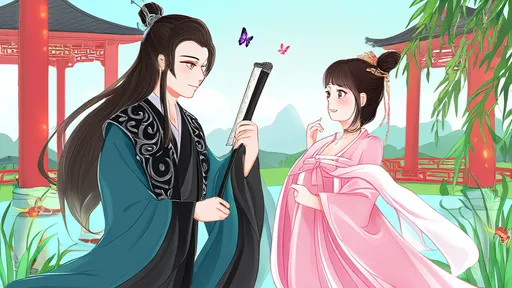
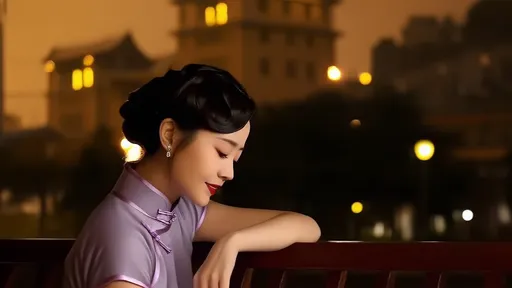
Set against the backdrop of the Jin Dynasty, the story follows Zhu Yingtai, a young woman who disguises herself as a man to pursue an education—a privilege denied to women at the time. Her path crosses with Liang Shanbo, a fellow scholar, and their friendship blossoms into love. The revelation of Zhu’s true identity comes too late, and societal constraints seal their fate. Their love, forbidden and unfulfilled in life, finds its resolution in death, as they are transformed into butterflies, eternally united. This poignant ending resonates deeply in Chinese culture, symbolizing undying devotion and the defiance of rigid social norms.
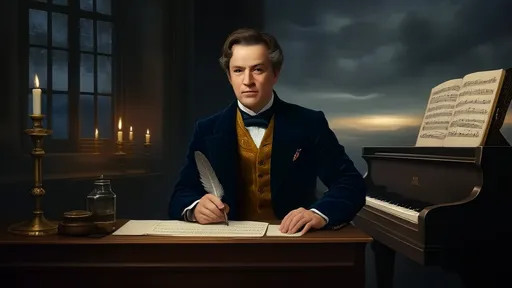
What elevates the Liang Zhu legend beyond its narrative is its musical incarnation. The Butterfly Lovers Violin Concerto, composed in 1959 by Chen Gang and He Zhanhao, is a masterpiece that marries Western classical structure with traditional Chinese melodies. The concerto’s opening notes, played on the erhu or violin, evoke the delicate flutter of butterfly wings, while the sweeping orchestral passages mirror the lovers’ tumultuous journey. This fusion of East and West was revolutionary at the time, challenging the boundaries of classical music and introducing global audiences to the emotional depth of Chinese storytelling.
The concerto’s success lies in its ability to translate cultural specificity into universal emotion. Listeners unfamiliar with the Liang Zhu legend can still feel the ache of separation in the Adagio or the fleeting joy of the lovers’ reunion in the Allegro. The music’s popularity has led to countless adaptations, from ballet performances to film scores, each iteration breathing new life into the ancient tale. Notably, the concerto has been performed by world-renowned musicians like Itzhak Perlman and Yo-Yo Ma, cementing its place in the global classical repertoire.
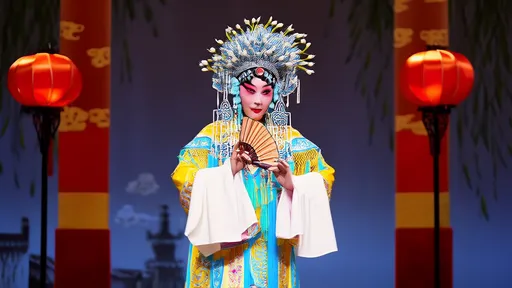
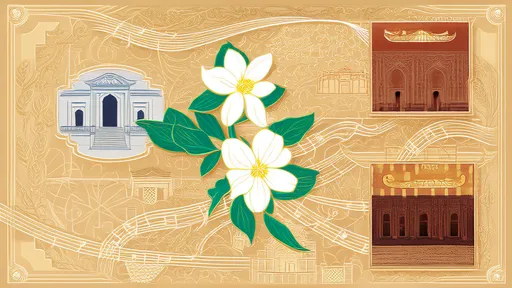
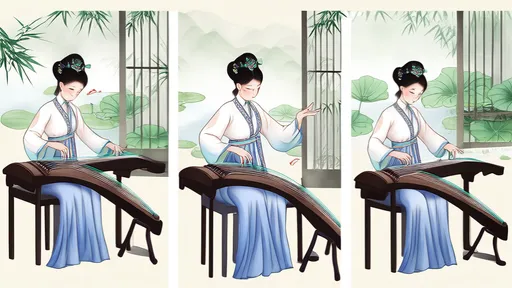
Beyond the concerto, the Liang Zhu story has inspired a vast array of musical expressions. Traditional Chinese operas, particularly Yueju and Kunqu, have staged the tale for generations, with haunting arias that amplify the tragedy. Contemporary adaptations include pop ballads, rock operas, and even electronic remixes, proving the legend’s adaptability to changing tastes. The butterfly motif, recurring in these works, serves as a powerful metaphor for transformation and transcendence—themes that resonate across cultures and eras.
The enduring appeal of Liang Zhu raises intriguing questions about why certain stories persist. Like Romeo and Juliet, it thrives on the tension between individual desire and societal expectations. Yet, its distinctly Eastern sensibility—the emphasis on sacrifice, the spiritual resolution, the harmony with nature—offers a fresh lens through which to view universal human experiences. In an increasingly globalized world, the legend reminds us of the beauty of cultural particularity and the connective power of art.
Today, as new generations discover the Butterfly Lovers through streaming platforms or concert halls, the legend continues to evolve. Virtual reality experiences, avant-garde theater productions, and cross-genre collaborations ensure that Liang Shanbo and Zhu Yingtai’s story remains relevant. Their music, like the butterflies they became, knows no borders, carrying with it the sorrow and sweetness of a love that defied time.
By /Aug 7, 2025

By /Aug 7, 2025
By /Aug 7, 2025
By /Aug 7, 2025
By /Aug 13, 2025
By /Aug 7, 2025
By /Aug 7, 2025
By /Aug 7, 2025
By /Aug 7, 2025
By /Aug 7, 2025
By /Aug 7, 2025

By /Aug 7, 2025
By /Aug 13, 2025
By /Aug 13, 2025
By /Aug 7, 2025
By /Aug 7, 2025
By /Aug 7, 2025

By /Aug 7, 2025
By /Aug 13, 2025
By /Aug 13, 2025
